
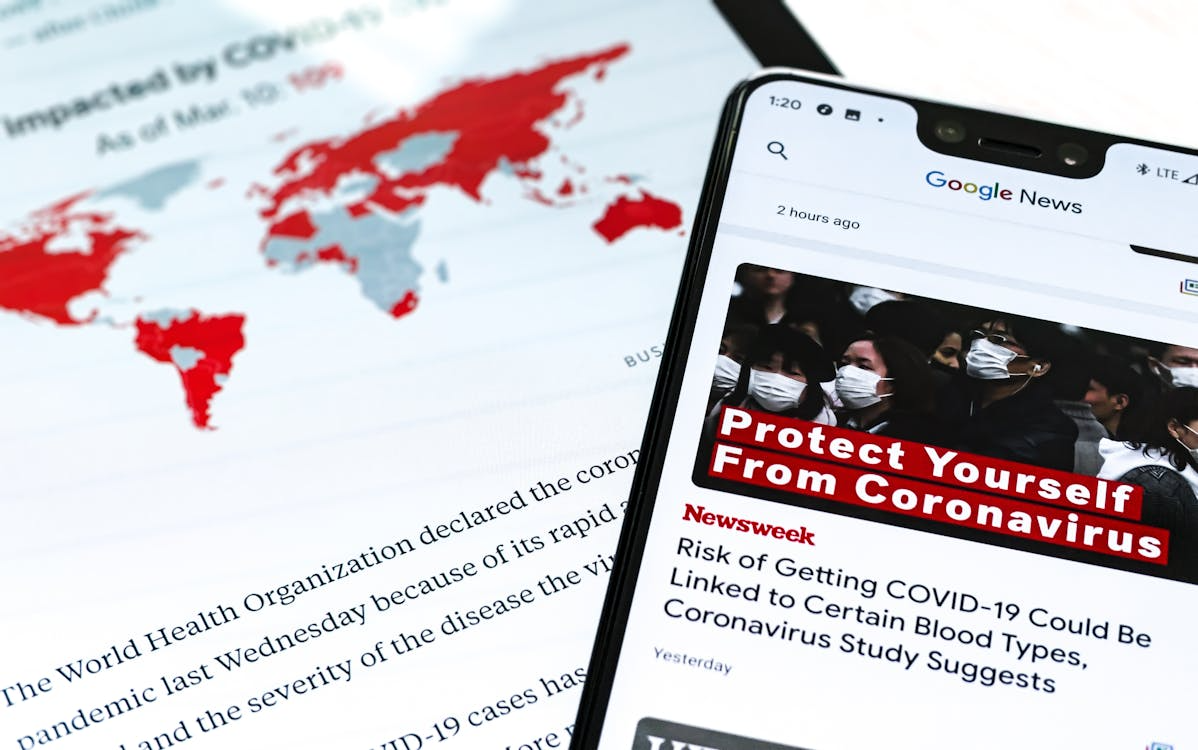
Comparing pre- and post-crisis search patterns shows that crises don’t just create temporary spikes. They rewire expectations about preparedness, trust, and personal responsibility.
Global crises do more than disrupt daily life in the moment. They permanently alter how people seek information afterward.
Post-crisis search behavior reveals that once a population experiences widespread uncertainty, the way it asks questions, evaluates risk, and verifies information does not fully return to baseline. Instead, new habits form and persist long after the immediate event fades.
How Search Behavior Looks Before A Global Crisis
Before a major crisis, search behavior tends to be exploratory and optimistic. People search for growth, opportunity, and convenience.
Queries are often framed around improvement: better options, upgrades, travel, experiences, and future planning. Risk is abstract and rarely at the forefront of one’s mind.
Search engines function primarily as tools for enhancement rather than protection. Information-seeking assumes stability as the default condition.
Explore What People Search For at the Start of a New Year vs Mid-Year to compare optimism-driven search patterns.
The Immediate Shift During A Crisis
When a global crisis hits, search behavior changes abruptly. Queries narrow, urgency rises, and verification becomes central.
People search for rules, updates, restrictions, and safety information. Time-sensitive phrasing spikes, and repeat searches become common as conditions evolve.
Search engines shift from optional resources to essential infrastructure. They become lifelines for understanding rapidly changing circumstances.
Why Post-Crisis Search Habits Don’t Fully Revert
After the crisis subsides, search behavior does not simply snap back. Some habits remain embedded.
People continue to search with greater caution. They verify claims more often, check multiple sources, and seek contingency information even during normal conditions.
Search behavior shows that once uncertainty is experienced at scale, people remain alert to its return.
Read Why Searches Get More Specific During Stressful Times for how uncertainty sharpens queries.
The Rise Of Preparedness As A Permanent Theme
One of the most lasting changes after a global crisis is the normalization of preparedness searches.
People search more frequently for backup plans, emergency resources, and “just in case” information. These queries persist even when no immediate threat exists.
Search engines capture a shift from reactive searching to anticipatory searching. Preparedness becomes part of everyday thinking.
How Trust Patterns Change After Crisis Exposure
Crises often erode blind trust in institutions, messaging, or single sources of authority.
Post-crisis search behavior shows increased triangulation. People search for confirmation, alternative perspectives, and explanatory breakdowns.
Search engines become tools for cross-checking rather than passive consumption. Skepticism becomes routine, not exceptional.
Why Health And Safety Searches Stay Elevated
Health and safety-related searches often remain elevated long after a crisis ends.
People continue to search for symptoms, risk factors, and preventive measures with greater sensitivity. Minor concerns prompt searches that would not have occurred previously.
Search behavior reveals that risk awareness lingers. Once people learn how fragile systems can be, vigilance increases.
The Shift Toward Personal Responsibility Searches
Another permanent change is the increase in searches framed around personal responsibility.
People search less about what authorities will do and more about what they should do themselves. Queries emphasize self-protection, self-reliance, and individual decision-making.
Search engines reflect this internalization of responsibility. People assume they must be informed independently.
How Language Becomes More Conditional
Post-crisis search language often becomes more conditional and cautious.
People search using “what if,” “in case,” and “should I” phrasing more frequently. Definitive assumptions give way to contingency thinking.
Search behavior shows that people mentally plan for disruption even when life appears stable.
Check How A Single News Headline Rewired Search Traffic to compare how framing redirects attention.
Why These Changes Persist Across Generations
Even people who experience crises indirectly absorb these habits. Search behavior spreads culturally.
Younger users adopt cautious search habits modeled by older ones. Preparedness and verification become normalized expectations.
Search engines record these patterns, spreading beyond the original affected population.
The Difference Between Temporary Fear And Structural Change
Temporary fear produces spikes that fade. Structural change produces new baselines.
Post-crisis search behavior reflects the latter. Some queries never return to pre-crisis levels because underlying assumptions have shifted.
Search engines quietly capture this new normal, without marking it as exceptional.
See The Difference Between How Gen Z and Boomers Search the Same Topic for generational persistence patterns.
What These Changes Reveal About Collective Memory
Search behavior functions as a form of collective memory. It encodes lessons learned through repeated patterns rather than stories.
Global crises leave imprints not just on policy or culture, but on how people think before they ask questions.
Search engines record this memory in aggregate, showing how experience reshapes curiosity itself.
Why This Matters
Understanding how global crises permanently change search habits helps explain broader shifts in behavior, trust, and decision-making.
Post-crisis search behavior shows that people adapt by becoming more vigilant, more self-directed, and more cautious.
Crises may end, but the way people search afterward tells us they are never entirely forgotten.